
How to Escape Debt in Germany: A 2026 Guide to Consolidation, Negotiation, and the Best Debt Relief Programs for German Consumers
How to Escape Debt in Germany: A 2026 Guide to Consolidation, Negotiation, and the Best Debt Relief Programs for German Consumers
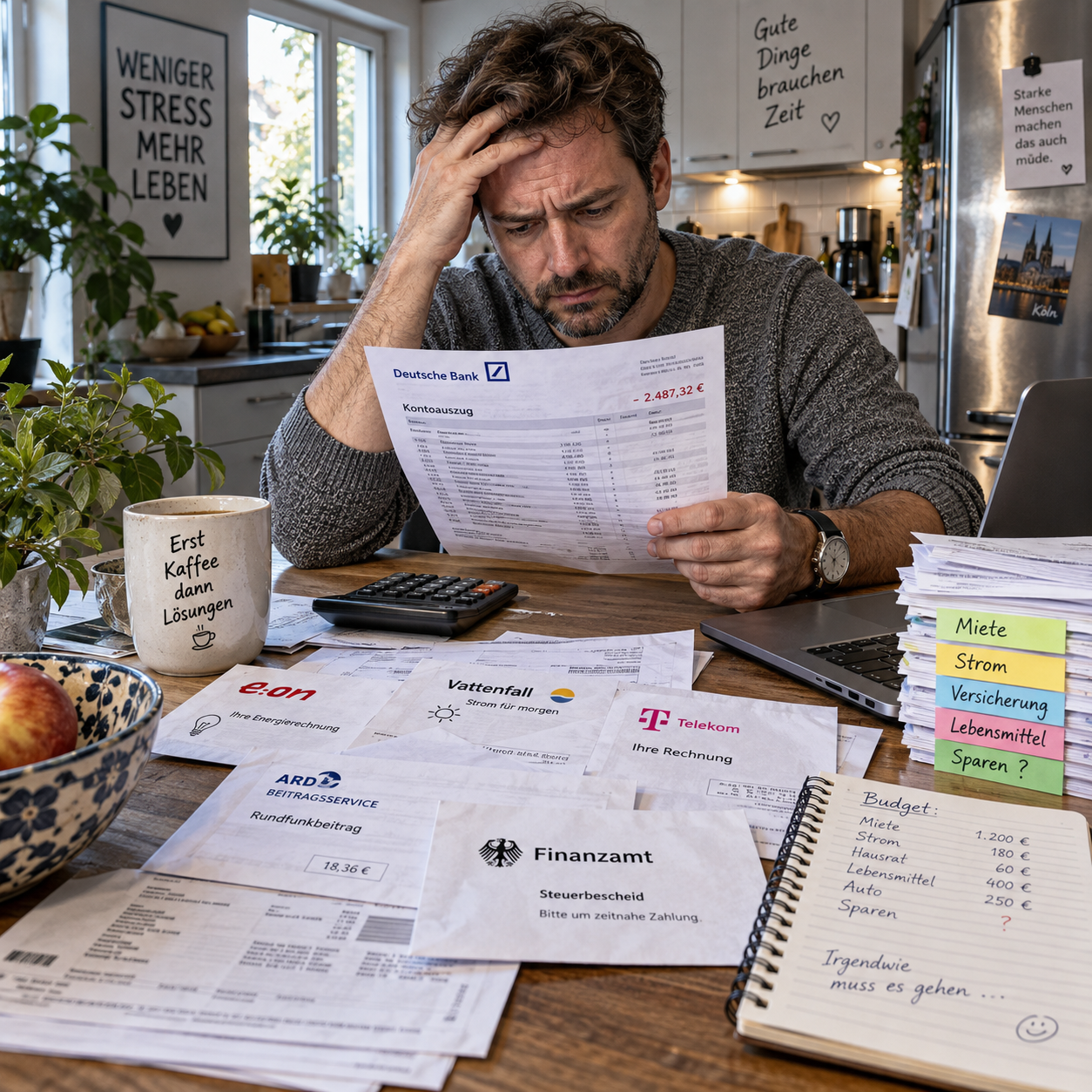
It usually starts small. A Dispokredit that never quite gets paid back to zero, a credit card balance that grows every month because the Mindestbetrag is all you can manage, and suddenly a Mahnung lands in your mailbox from a company you barely remember owing. If this sounds familiar, you're not alone — rising energy costs, higher rents, and stubborn inflation have pushed a growing number of German households into a debt spiral throughout 2026. The good news is that Germany has one of the more structured and consumer-friendly frameworks in Europe for dealing with debt, provided you understand your options. In this guide, I'll walk you through how consolidation works, how to negotiate directly with creditors, where to find legitimate debt relief programs, and when personal insolvency becomes the right last resort.
Understanding the Debt Landscape in Germany (2026)
Consumer debt in Germany looks different from what you might see in the US or UK, but the pressure feels the same. The most common categories I see people struggling with are Konsumentenkredite (personal installment loans), Kreditkartenschulden, an overdrawn Dispokredit that quietly accrues double-digit interest, and unpaid Rechnungen that eventually get handed to an Inkassobüro. Add to that rising Nebenkosten and grocery bills, and even disciplined budgets are cracking under pressure this year.
What sets Germany apart is the Insolvenzordnung (InsO) — the insolvency code that governs how debts are restructured or discharged. Unlike more punitive systems elsewhere, German law is built around the idea of a fresh start after a defined repayment or waiting period, and it heavily favors structured, documented negotiation before drastic legal steps are taken.
Signs You Need Professional Debt Help
It's easy to underestimate how deep a hole you're in until the paperwork piles up. Some clear warning signs that it's time to seek professional support include:
- Using one credit line to pay off another just to stay current
- Receiving multiple Mahnungen in the same month from different creditors
- Skipping essential payments (rent, insurance) to cover credit card minimums
- Feeling paralyzed — avoiding mail, calls, or online banking altogether
- Your Schufa score has visibly dropped and you're being declined for new credit
Debt Consolidation Explained (Umschuldung)
Umschuldung, or debt consolidation, means combining multiple debts — say, two credit cards and a Dispokredit — into a single new loan, ideally with a lower interest rate and one predictable monthly payment. In Germany, this typically happens through a Konsolidierungskredit offered by banks like ING, DKB, or Santander Consumer Bank, though smaller Sparkassen also offer tailored products.
It's worth distinguishing this from simple refinancing. Refinancing usually replaces one loan with a cheaper version of the same loan. Consolidation, on the other hand, gathers several separate debts under one umbrella, simplifying your financial life considerably. Approval depends heavily on your Schufa score, proof of stable income (Gehaltsnachweise), and your existing debt-to-income ratio. In 2026, consolidation loan rates for consumers with decent credit have hovered between 6% and 11%, while those with weaker Schufa scores may see offers closer to 14-16%, if approved at all.
Pros and Cons of Consolidation Loans
Consolidation can be a genuine lifeline, but it isn't automatically the right choice for everyone. On the positive side, you get a single monthly payment that's easier to track, often at a lower blended interest rate than juggling several high-APR credit cards. It reduces the mental load of managing multiple due dates and creditors.
On the downside, extending your repayment term to lower monthly payments can mean paying significantly more interest over the life of the loan. Some consumers also fall into the trap of freeing up their old credit cards and running up new balances, effectively doubling their debt load. Before signing anything, calculate the total repayment amount, not just the monthly figure.
Negotiating with Creditors — Practical Steps
Many Germans don't realize that banks, credit card issuers, and even Inkassobüros are often willing to negotiate — especially if you reach out before your account goes further into default. Start by contacting the creditor directly and asking about a Ratenzahlungsplan (installment plan), a temporary interest freeze, or in some cases a reduced lump-sum settlement (Vergleichszahlung).
If direct negotiation feels intimidating or you're dealing with several creditors at once, a state-approved Schuldnerberatung (debt counseling service) can act as your intermediary. These services, often run by Caritas, Diakonie, or municipal welfare offices, are typically free or low-cost and carry weight when negotiating with financial institutions because they follow standardized, transparent processes recognized by German courts.
Sample Script for Contacting Creditors
When you call or write to a creditor, structure your request clearly and always keep a paper trail. Here's a simple checklist:
- State your account/reference number and current situation briefly and honestly
- Ask specifically: 'Können wir einen Ratenzahlungsplan vereinbaren?' (Can we agree on an installment plan?)
- Request written confirmation of any agreement via email or post
- Note the date, time, and name of the representative you spoke with
- Follow up within 48 hours if you don't receive written confirmation
Comparing Debt Relief Programs — Germany vs. International Models
Germany's nonprofit Schuldnerberatungsstellen are generally the safest starting point — they're regulated, often free, and staffed by trained advisors who understand both InsO procedures and creditor negotiation tactics. Private Schuldenregulierung firms also exist and can be effective, but they charge fees and vary widely in quality, so due diligence matters.
If you want a broader perspective on how debt relief structures compare internationally — including fee transparency, program duration, and reported success rates — it's worth reviewing the curated overview in Asianet News: Best Debt Relief Programs of 2026. Seeing how German programs stack up against models used in other countries can help you ask sharper questions before committing to any provider, whether nonprofit or private.
Red Flags When Choosing a Debt Relief Company
Unfortunately, the debt relief space attracts opportunists. Be wary of any firm that demands large upfront fees before doing any actual negotiation work, promises unrealistically fast debt elimination, or can't clearly explain their licensing status. Legitimate Schuldnerberatung and Schuldenregulierung providers should be easily verifiable through your local Verbraucherzentrale, which maintains lists of accredited counseling services and can flag known scam operators.
The German Insolvency Process as a Last Resort
When consolidation and negotiation genuinely aren't enough, Privatinsolvenz (personal insolvency) becomes the structured final option. Since reforms took effect, the path to Restschuldbefreiung (debt discharge) has been shortened to three years for most consumers who meet minimum repayment obligations, down from the previously longer timelines. The process begins with a mandatory attempt at an out-of-court settlement, usually guided by a Schuldnerberatung, before moving to court-supervised insolvency proceedings if that attempt fails.
Qualification generally requires demonstrating that you cannot realistically repay your debts through normal means, and courts expect honest, complete financial disclosure throughout. It's a serious step with real consequences for your Schufa score and financial flexibility for years, so it should genuinely be viewed as the last resort after consolidation and negotiation have been fairly attempted.
Building Long-Term Financial Resilience
Getting out of debt is only half the journey — staying out matters just as much. Budgeting apps popular among German users, such as Finanzguru or Vivid, can help you track spending patterns and catch overdraft risk before it becomes a Dispokredit problem again. Building even a modest emergency fund — three to six months of essential expenses — creates a buffer against the next unexpected car repair or medical bill.
Free resources are more accessible than most people realize. Verbraucherzentrale offices across Germany regularly run budgeting workshops, and many municipalities offer free financial literacy sessions specifically aimed at preventing renewed over-indebtedness. Taking advantage of these, even after your debt situation stabilizes, is one of the smartest long-term moves you can make.
Escaping debt in Germany rarely happens overnight, but the path is clearer than it might feel when the Mahnungen are piling up. Start by honestly assessing your situation, explore consolidation if it genuinely lowers your total cost, negotiate directly or through a trusted Schuldnerberatung, and treat private relief companies with healthy scrutiny. Comparing structured program overviews — including international benchmarks — gives you the context needed to choose wisely rather than out of desperation. And if insolvency does become necessary, know that German law is designed to give you a genuine fresh start. Financial freedom in 2026 is absolutely achievable; it just requires the right information and the willingness to take that first uncomfortable step.